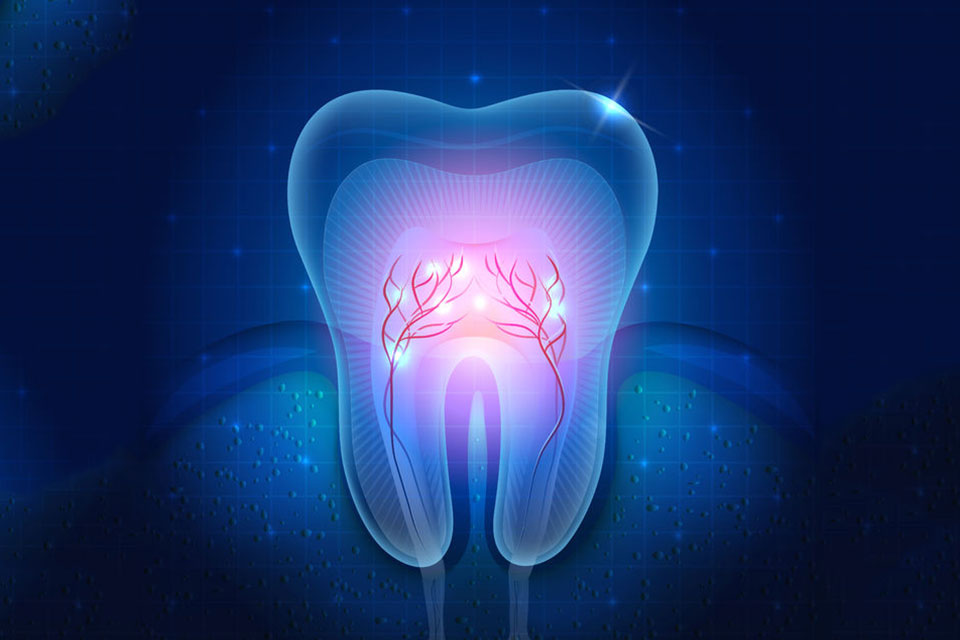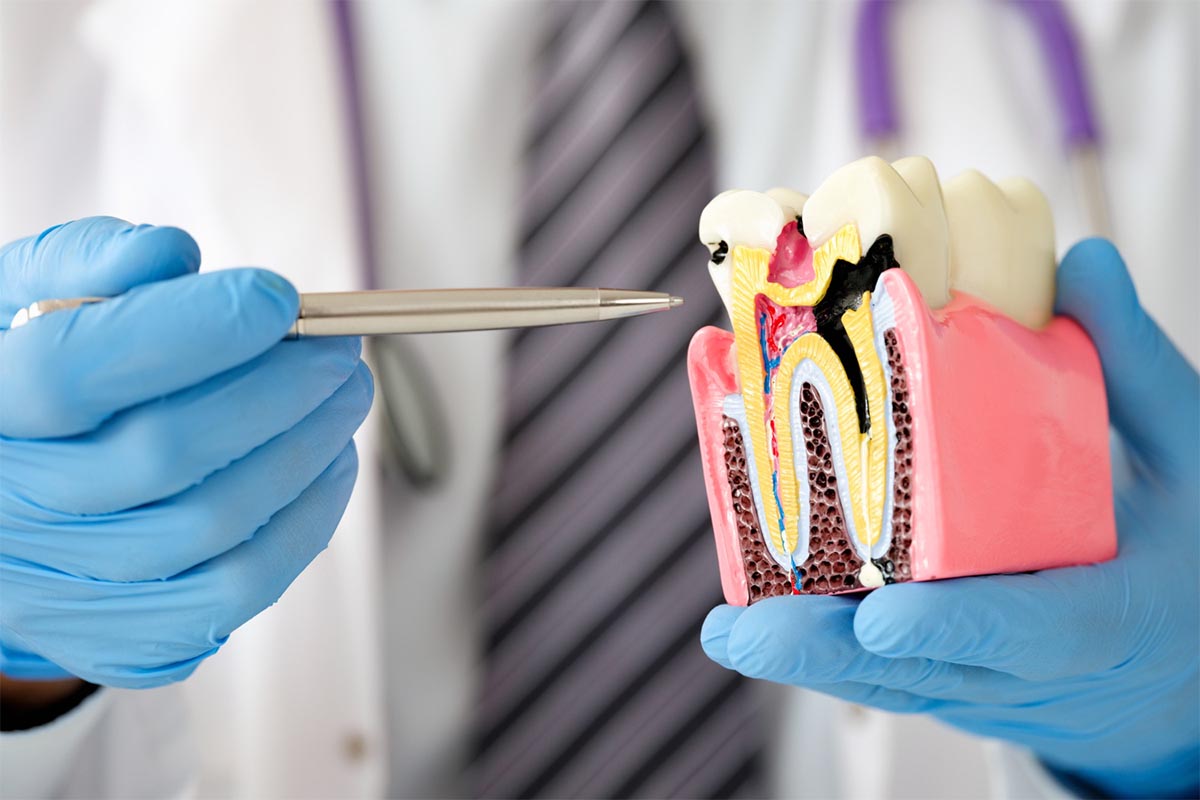
Save your tooth on time.

A well-endodontically repaired tooth is the basis and condition of future dental treatment. That is why in our dental practice we have focused special attention on this branch of dentistry.

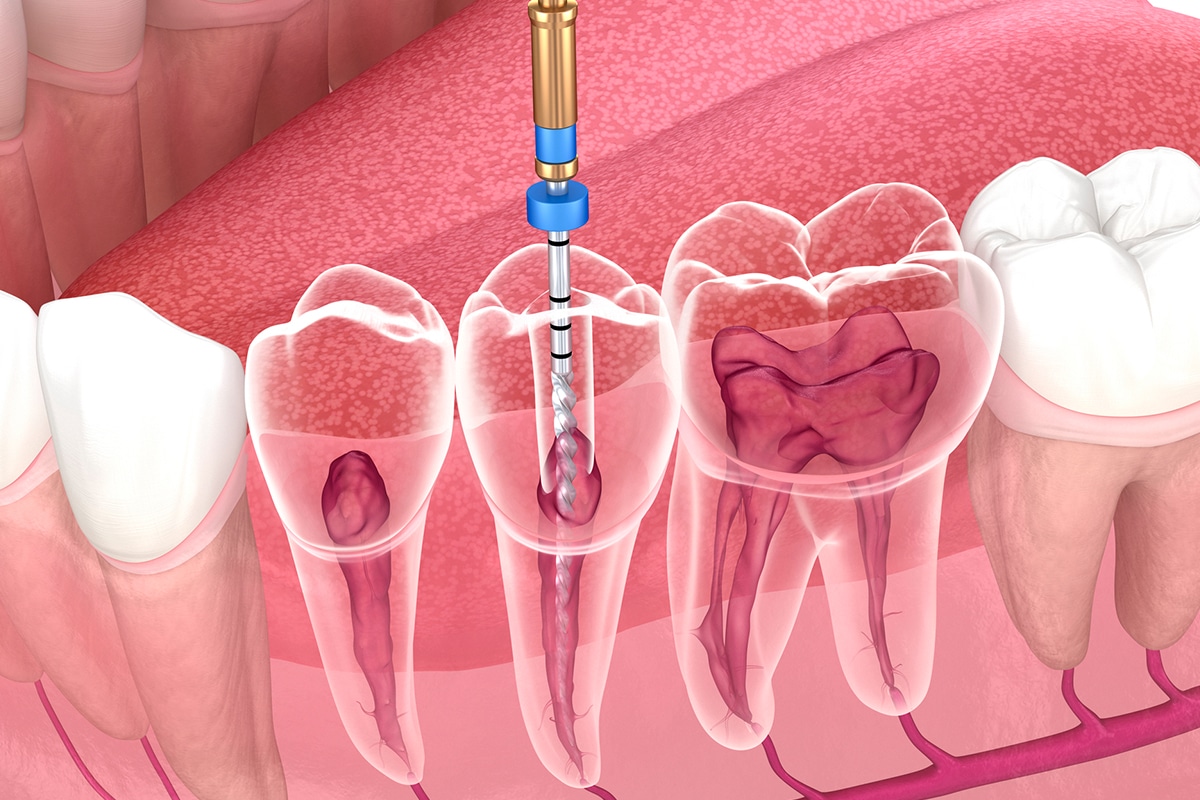
We perform dental treatment following world standards with NiTi machine expanders (protapers) of the Densplay brand. This type of expander with high conicity and flexibility provides ideal treatment even for teeth with very curved canals. Gutta-percha points from the same manufacturer ideally obturate the canals of treated teeth.

When is endodontic tooth treatment necessary?

Endodontics is most often used in the following situations:

  1. Deep cavity: When the cavity affects the inside of the tooth and causes pain or infection.
  2. Tooth injuries: In the case of a fracture or damage to the tooth that reaches the pulp.
  3. Chronic infections: If cysts or abscesses develop around the root of the tooth.
Why is a timely reaction important when the first signs of pain appear?

Ignoring dental pulp problems can lead to serious complications, including loss teeth, spread of infection and pain. With timely endodontic treatment, you can save your tooth and avoid more expensive and invasive treatments in the future.

A condition for good endodontic treatment is a good clinical radiographic diagnosis. The Medenta practice has the most modern type of digital radiography (Sopro) which enables quick and comfortable diagnostics with high precision and minimal doses of radiation.

Frequently Asked Questions

If you experience symptoms such as visible injury or swelling around the tooth, sensitivity to temperature or pain in the tooth and gums, your dentist may recommend non-surgical root canal treatment. Trauma to the teeth, such as fractured or cracked teeth may also require root canal therapy.

In root canal therapy, the endodontist removes the injured or diseased pulp and then thoroughly cleans and seals the root canal system. This therapy usually involves local anesthesia and may be completed in one or more visits depending on the treatment required. Success for this type of treatment occurs in about 90% of cases.

If your tooth is not amenable to endodontic treatment or the chance of success is unfavorable, our endodontists will inform you at the time of consultation or when a complication becomes evident during or after treatment.

Many endodontic procedures are performed to relieve the pain of toothaches caused by pulp inflammation or infection. Endodontists understand a great deal about pain management. With modern techniques and anesthetics, the vast majority of patients report that they are comfortable during the procedure.

For the first few days after treatment, your tooth may feel sensitive, especially if there was pain or infection before the procedure. Over-the-counter medications, such as Advil® or Tylenol®, are usually enough to manage this sensitivity. In some cases, prescription medications may be necessary and are available from your endodontist. Follow your endodontist’s instructions carefully.

Your tooth may continue to feel slightly different from your other teeth for some time after your endodontic treatment is completed. Of course, if you experience pressure or pain that lasts more than a few days, call your endodontist. If swelling increases after your root canal contact your endodontist.

Most endodontically treated teeth last as long as other natural teeth. In a few cases, a tooth that has undergone endodontic treatment does not heal or the pain continues. Occasionally, the tooth may become painful or diseased months or even years after successful treatment. When this occurs, an endodontic retreatment procedure can save the tooth.