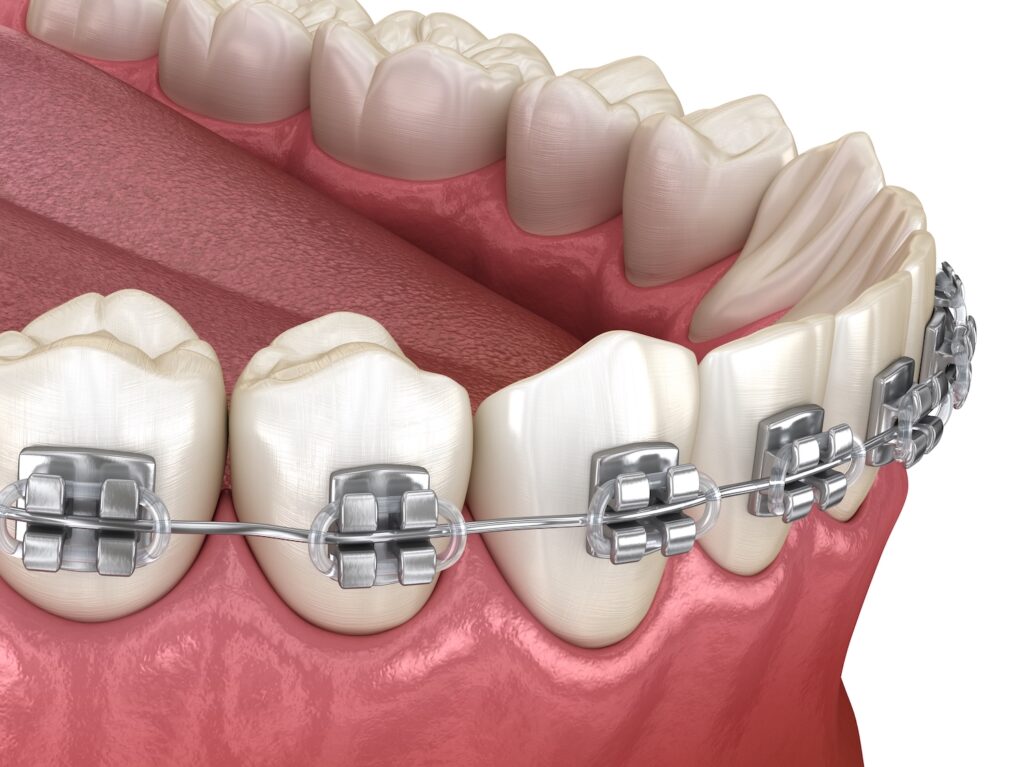
What is orthodontics?

Orthodontics is a dental specialty focused on aligning your bite and straightening your teeth. You might need to see an orthodontist if you have crooked, overlapped, twisted or gapped teeth. Common orthodontic treatments include traditional braces, clear aligners and removable retainers.

The way your teeth fit together has a significant impact on your oral health. By improving the way your upper and lower teeth meet, you can reduce your risk for a host of oral health issues, including cavities, gum disease and excessive wear (erosion).

When should I take my child to the orthodontist?

According to the Association of Orthodontists, children should have their first orthodontic visit no later than the age of 7. While many children won’t need treatment at this age, it’s a good time to find out if there are any issues to watch out for. Often, children who need early orthodontic treatment can reduce their need for extensive dental procedures in the future
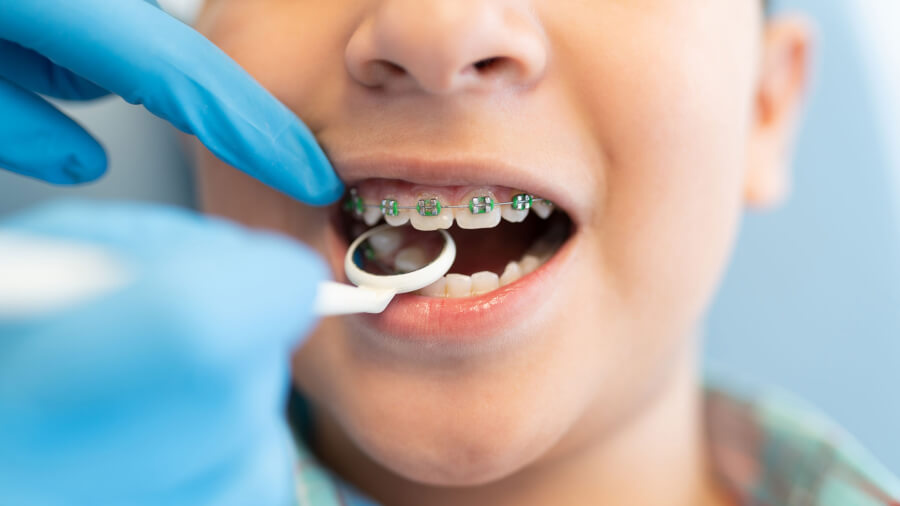
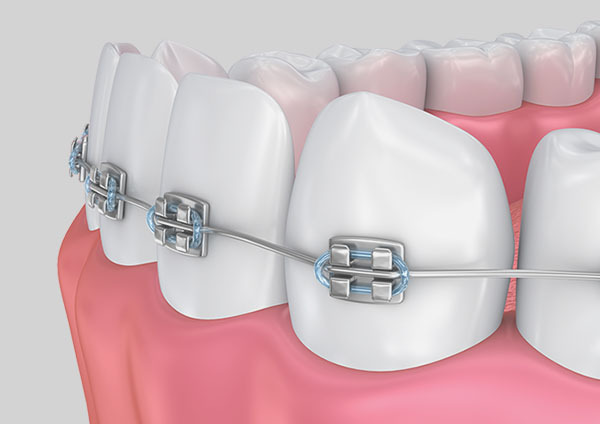
After setting up the braces, it is very important to regularly come to check up and monitor the results achieved in accordance with the further development of the patient. A specialist in Orthodontics during check-ups normally does small therapeutic changes and gives a patient the necessary instructions regarding the further course of treatment.

To complete the therapeutic effect of the fixed braces, they must be worn mostly 1- 2 years, and after removing the same, the patient must wear a so-called. retention appliance (only at night) in order to complete achieved results.

Frequently Asked Questions

Orthodontics is a dental specialty focused on diagnosing, preventing, and treating dental and facial irregularities, such as misaligned teeth and jaws.

Almost everyone can gain some benefit from orthodontics. But some people need treatment more than others. Many people seek orthodontic treatment because they want to improve the appearance of their smile. But in addition to cosmetic benefits, orthodontics offers improved chewing function and better oral health.

Types of orthodontic problems include:

  • Overbite, when your upper teeth stick out over your lower teeth.
  • Underbite, when your lower teeth stick out further than your upper teeth.
  • Overlapping teeth.
  • Crowded teeth.
  • Crooked teeth.
  • Rotated teeth.
  • Impacted teeth (which are partially or fully trapped in your jawbone).

To qualify for orthodontic treatment, you shouldn’t have any serious dental issues like extensive decay or gum disease. Placing braces on diseased teeth can have a serious negative impact on your oral health.

If you have cavities or gum disease, see a dentist for treatment. Once you manage those conditions, ask your dentist if orthodontic treatment is right for you.

Schedule an appointment with an orthodontist any time you’re concerned about the appearance, health or function of your teeth. Many orthodontists will see you without a referral. But your dentist can recommend an orthodontist, too.

If you think your child may need to see an orthodontist, ask your dentist for recommendations. Orthodontists generally see children as young as 7.