


What is oral surgery?
Oral surgery refers to any mouth operation. It includes procedures done on your teeth, gums, tongue or any other area inside your oral cavity.
There are several types of oral operations done each year. Some of the most common include:
- Wisdom tooth removal to treat or prevent pain and infection.
- Tooth extractions to remove decayed or damaged teeth.
- Dental bone grafts to increase the volume and density of your jawbone.
- Dental implants to replace missing teeth.
- Gum grafts to treat thinning or receding gums.
What are the benefits of oral surgery?
Oral surgery can correct conditions that nonsurgical treatments can’t.
- Better health.
- Enhanced aesthetics.
- Improved function.
- Pain relief.
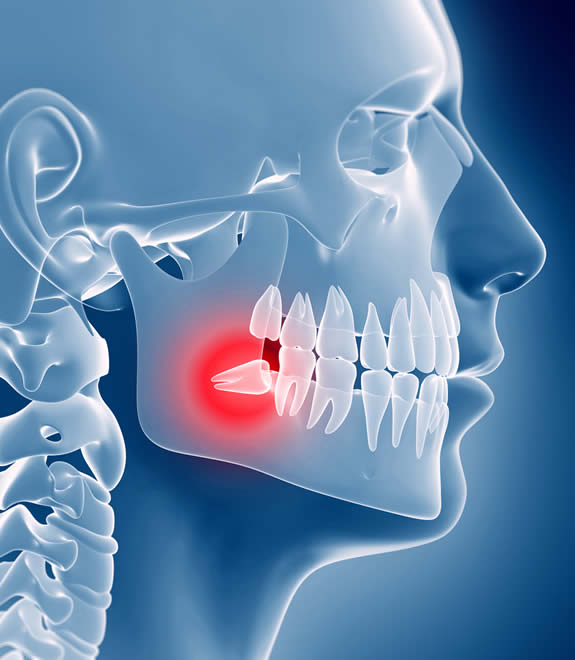

In combination with routine dental care, oral surgery can treat conditions that cause infection, like tooth decay and gum disease. Better oral health means improved overall health.
The appearance of your teeth can have a big impact on anxiety and how comfortable you feel in social situations. Oral surgery can help address these concerns.
Oral surgery can help replace damaged or missing teeth, reducing issues with eating and speaking.
Oral surgery can correct painful issues like broken teeth, extensive decay and sore, bleeding gums.
Preventive treatments like wisdom teeth removal can help you avoid potential problems later.